Updated 2026-09-27 · 10 min read
Wine bars in Buenos Aires: how to drink beyond Malbec
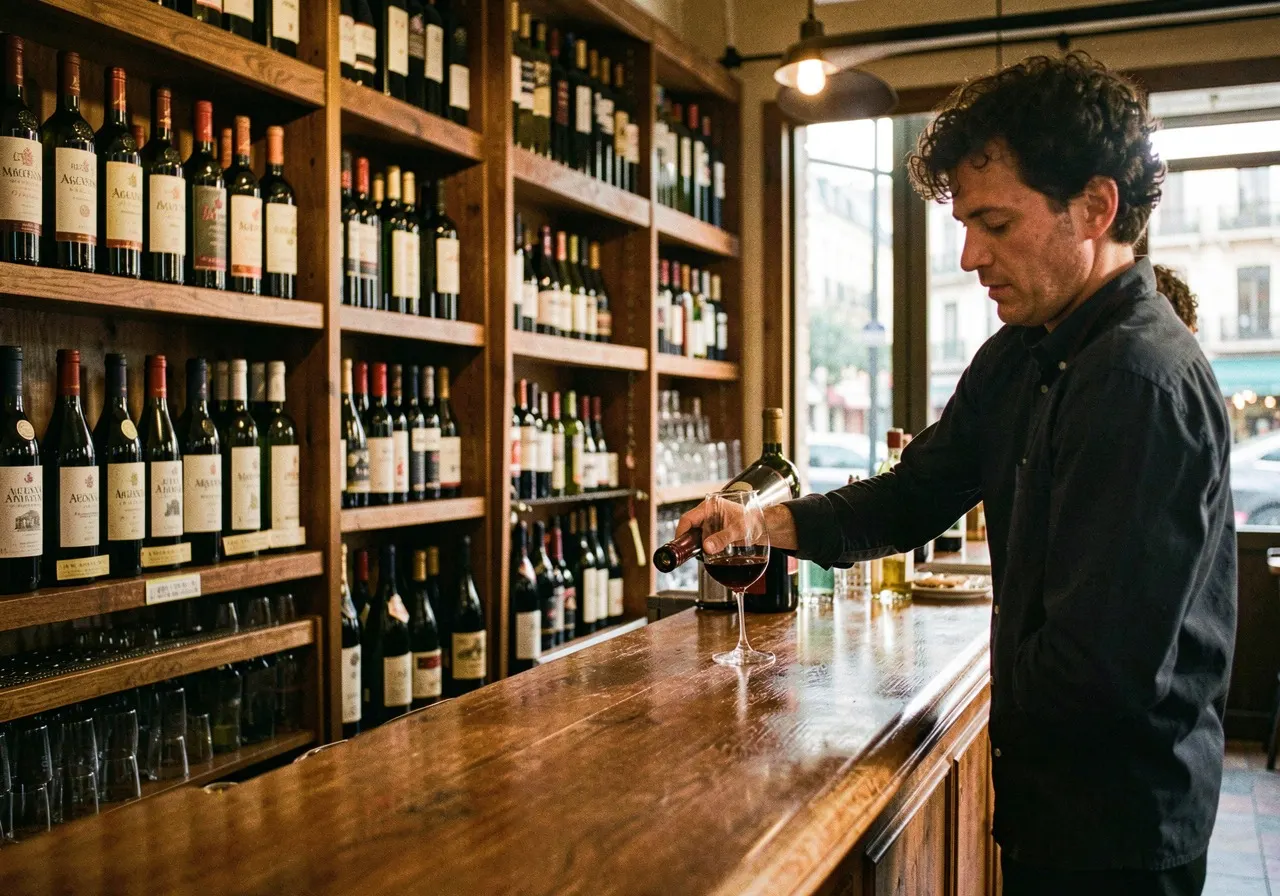
Start with two contrasting glasses in Palermo or Recoleta, perhaps Mendoza Malbec and dry Salta Torrontés. A vinoteca is the place for a bottle to take home; prices depend on whether you drink it there.
In short
- Palermo Soho offers several wine-focused bars to compare on foot; Gran Bar Danzón in Recoleta suits a longer seated evening.
- September 2026 planning allowances are ARS 9,000–19,000 per glass and ARS 28,000–70,000 for a bar bottle, not current venue quotes.
- Dry, aromatic Torrontés, juicy Bonarda and Patagonian Pinot Noir offer useful routes beyond Malbec.
- A vinoteca bottle for home and the same producer and vintage served in a bar have different prices.
- Great Britain's published personal allowance is 18 litres of still wine per adult arriving from Argentina, subject to the arrival rules.
A Buenos Aires wine-bar evening can begin with a glass of Mendoza Malbec and a second pour that tastes nothing like it: dry, aromatic Torrontés from Salta or a lighter Patagonian Pinot Noir. Palermo Soho makes it easy to compare menus on foot; Recoleta suits a longer seated evening. Staff can work from 'dry white', 'light red' or 'fuller red' without a lesson in wine vocabulary. For September 2026 budgeting, allow around ARS 9,000–19,000 (US$6–12) for a glass or ARS 28,000–70,000 (US$18–45) for a bar bottle. These are planning ranges, not verified current prices at any venue.
A bar for tonight, a vinoteca for home
A bar de vinos pours wine to drink there; a vinoteca is a specialist bottle shop. Some combine both, so a price beside a bottle may be para llevar (to take away) or para tomar acá (to drink here). Bars may serve cheese and small plates rather than a full dinner. A parrilla, or grill restaurant, pairs wine with a meal but often has fewer by-the-glass choices. A degustación is generally a booked tasting of small pours, with the number of pours and food arrangement set by the venue.
Near Plaza Armenia in Palermo Soho, several menus can be compared in one walk. Pain et Vin is a wine-and-food option at Gorriti 5132. Gran Bar Danzón, at Libertad 1161 in Recoleta, has a substantial wine list for a seated evening. For bottles to take home during the day, there are Winery branches and individual wine sellers inside Mercado de San Telmo at Defensa 963; the market is not one merchant, and stalls vary in whether they offer tastings. Current menus and opening hours matter more than an old recommendation, especially for a Friday or Saturday table and for the kitchen's last food order.
| Plan | September 2026 allowance | Useful question |
|---|---|---|
| Two different glasses in Palermo or Recoleta | ARS 9,000–19,000 (US$6–12) per glass | ‘¿Qué tienen por copa?’ (What is available by the glass?) |
| Bottle to share with a meal at a bar or parrilla | ARS 28,000–70,000 (US$18–45) for the bottle, plus food | Is the vintage on the bottle the one listed? |
| Everyday 750 ml bottle from a vinoteca or supermarket | ARS 12,000–30,000 (US$8–19) | Is that the takeaway price, and is there a card discount? |
| Tasting of smaller producers | Flight, pours and food priced individually | How many pours are included, how large are they, and does food come with them? |
These illustrative ARS budgets use about ARS 1,545 per US dollar in September 2026. Inflation, producer, grape, vintage, venue and promotions change the bill. A British card normally converts near the official rate following the April 2025 lifting of individual currency controls, though a foreign-transaction fee can increase the sterling total. A dated, current menu is more useful than an online photograph with no date.
Finding your way across an Argentine wine list
A list may put the bodega (winery), grape, growing region and vintage in a different order from a UK supermarket shelf. Start with the kind of wine you want to drink and let the region refine the choice. Mendoza is a province with different growing areas: high-altitude Valle de Uco fruit can produce a different style from warmer Luján de Cuyo sites. Cafayate in Salta and Patagonia are other useful geographical cues, though none is a quality rating on its own.
Malbec is typically a medium-to-full red with dark fruit and tannin, a familiar match for bife de chorizo (sirloin steak). If heavy oak is not your taste, a fresher or unoaked example changes the experience. Bonarda can be juicy and comparatively accessible with pizza or empanadas. Cabernet Franc offers a more herbal, structured red; Pinot Noir from Río Negro or Neuquén in Patagonia is a lighter option for chicken or mushrooms, sometimes at a higher price.
Torrontés Riojano is the aromatic white associated particularly with Cafayate and parts of La Rioja. Its floral scent can suggest sweetness, though it is usually dry: ‘¿Es seco?’ asks the question directly. Argentine Chardonnay ranges from fresh to oaked. For dry sparkling wine, look for espumante brut. In a warm city, whites and sparkling wines are pleasant chilled; a red from a hot room may be better served slightly cool.
A bottle marked reserva or gran reserva may belong to a producer's higher-priced range, but the label alone cannot tell you how oaky or delicate it will taste. Orgánico means organic; natural describes a low-intervention style rather than one universally defined certification. The producer, style and vintage tell you more than a shelf tag. When comparing a shop bottle with one on a restaurant list, match the producer and year as well as the grape.
An evening's bill, before the second glass
The useful conversation at the bar is about style and budget. ‘Un tinto liviano’ asks for a light red, ‘un blanco seco’ a dry white and ‘algo menos amaderado’ something less oaky. ‘Hasta treinta mil pesos la botella’ gives a ceiling of ARS 30,000. By-the-glass availability and prices can change; a request for ‘¿Puedo probar una muestra?’ may be accepted, though free samples are at the venue's discretion. The bottle itself settles any uncertainty over producer or vintage.
A glass with cheese, olives or empanadas can grow into dinner, but food is charged separately unless a menu says otherwise. Still water is agua sin gas, sparkling con gas. A booked flight may be charged per person and may or may not include food. As evenings often begin later than a UK pub dinner, the kitchen closing time deserves its own look even if the bar stays open. Allow an hour or two for a seated visit.
On the bill, cubierto is a per-person table-service charge where listed on the menu. A tip of about 10% for good service is customary and separate from cubierto; card tipping arrangements vary, so small notes can be useful. Keeping the receipt also makes it easier to find a bottle you liked later.
For scale, imagine two British residents meeting after work in Palermo. Each has a hypothetical ARS 14,000 glass of Malbec, then they share a Bonarda bottle at ARS 38,000 and food at ARS 28,000. That is ARS 94,000 before tip; 10% brings it to ARS 103,400, about US$67 at ARS 1,545 per dollar (September 2026), before any separately stated cubierto or bank fee. Two glasses each at the same assumed price would instead be ARS 56,000 before food and tip. This is a worked budget, not a bill from Pain et Vin or any named bar; it shows how ordering glasses to compare grapes differs from committing to a bottle.
A bottle for a Tuesday dinner
A vinoteca conversation can begin with dinner rather than prestige. ‘Busco un tinto seco para una cena, entre quince y veinticinco mil pesos’ asks for a dry red between ARS 15,000 and 25,000. Food and a preference for lighter or fuller wine narrow the options further. A local Bonarda, a Mendoza Malbec from an unfamiliar producer or a dry Torrontés can be more interesting than buying only a label familiar from a UK shelf.
Prices per 750 ml bottle and any mix-and-match offer are easier to compare than a percentage-off sign. Supermarkets have familiar bottles and occasional card promotions; specialist shops offer a wider range and a substitute if a vintage has sold out. A sealed bottle with a legible label that has been kept out of direct shop-window sun is a sounder choice than one left in the heat. Hours spent standing upright in a shop matter less than that heat.
At home, a Malbec need not automatically go into a decanter. Opening and tasting it first reveals whether a young, tannic red would benefit from air. A simple corkscrew covers most bottles, while some everyday wines have screw caps. Twenty minutes cooling a red stored in a hot flat can help. Opened still wine, including red, keeps better stoppered in the fridge and is best finished over the next few days rather than left by the cooker.
What carries over from a British wine night
Restaurant meals in Buenos Aires often begin later than UK pub dinners, but each bar sets its own last orders. Vino de la casa is house wine where it is offered. Sharing a bottle over an asado, an Argentine barbecue, or a long family meal is ordinary; lunchtime wine is a choice, not an obligation. A bottle can be a welcome contribution when friends invite you, though asking what the group is already drinking avoids doubling up. Cold white wine, water and soft drinks all have a place at the table.
The legal drinking age is 18. Argentina has a national zero-alcohol rule for driving, so a taxi or app car makes sense for a tasting evening. For places to go later, see the Buenos Aires nightlife guide; for a meal built around the grill, see the steak and asado guide. A fuller restaurant evening belongs in the restaurant guide.
Taking bottles home to Great Britain is a separate calculation. The published personal allowance for an adult arriving from Argentina is 18 litres of still wine, equivalent to 24 standard 750 ml bottles. Sparkling and fortified wines fall under a different allowance category. Wine must travel with you for personal use or gifts, within airline checked-baggage rules, and goods above the relevant allowance must be declared. Northern Ireland has different import rules; parcels posted to the UK follow shipping and import rules rather than a passenger's allowance. The UK government's arrival guidance is the place to check for your route. For wine among the vineyards themselves, the Mendoza wine weekend guide takes the journey beyond the city.
A good first evening may end with just two glasses and the name of a producer to look for at a vinoteca. The next bottle then comes with a memory of what you liked, rather than a guess from the word reserva.
Questions
- Which Buenos Aires neighbourhood has wine bars?
- Palermo Soho is a convenient place to compare several menus on foot, including Pain et Vin at Gorriti 5132. Gran Bar Danzón is at Libertad 1161 in Recoleta. Hours and availability depend on the venue's current schedule.
- How much is a glass of wine in a Buenos Aires wine bar?
- The September 2026 planning range is ARS 9,000–19,000, roughly US$6–12, per glass. It is an allowance rather than a quoted menu price; producer, pour and venue all affect the bill.
- What Argentine wine should I try if I do not like Malbec?
- For a different red, Bonarda tends to be juicy while Patagonian Pinot Noir is lighter. Torrontés is an aromatic white that is usually dry, even if its floral scent suggests otherwise.
- Is a vinoteca the same as a wine bar in Argentina?
- A vinoteca is a specialist wine shop, although some also offer tastings or tables. A bottle's takeaway price can differ from the cost of drinking it on site.
- Can I bring Argentine wine back to Britain?
- For adults arriving in Great Britain, the published personal allowance includes 18 litres of still wine, or 24 standard bottles, subject to accompanied-goods rules and airline baggage limits. Northern Ireland and shipped parcels follow different rules, so check the UK government guidance for your journey.
Sources
Related guides
- Salta and northwest Argentina: a five-day trip guide
Five days give you time for Salta city, the Cafayate wine route and Jujuy's Quebrada de Humahuaca. Fly from Buenos Aires in about two hours, then spend nights beyond Salta to make the long drives manageable.
- Argentine empanadas: what to order and where to find them
Begin with hand-cut beef and creamy sweetcorn, then explore the regional fillings. A neighbourhood empanadería is an easy place to try two or three for a light meal, provided you order by name rather than guessing from the pastry fold.
- A Córdoba weekend from Buenos Aires: city streets and one sierras day
Two nights in Córdoba give you Saturday among the Jesuit buildings and Sunday for Alta Gracia or one sierras town. Here is how the journey, timings and costs fit together.