Updated 2026-09-27 · 7 min read
Vegetarian in Argentina: eating vegan and meat-free in Buenos Aires
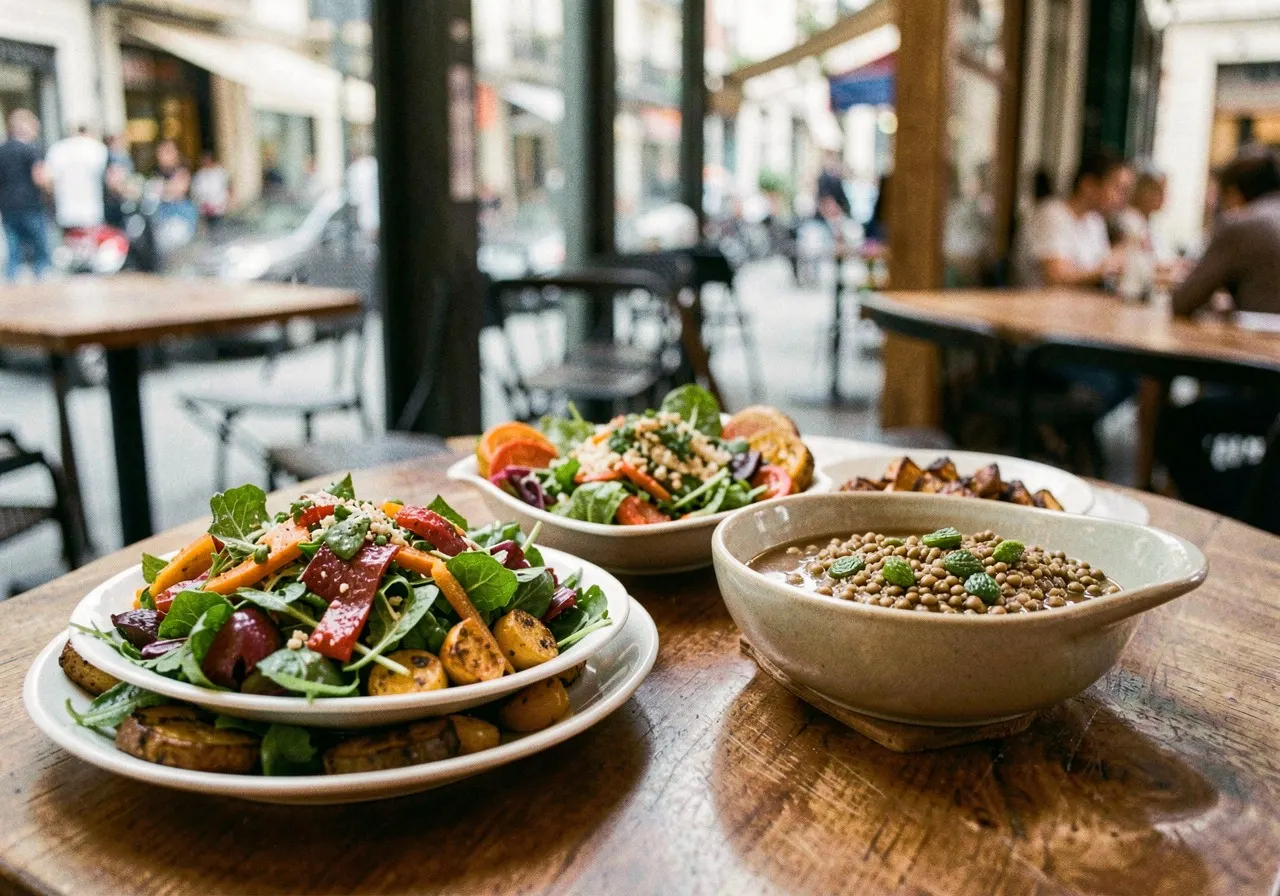
Vegetarians have plenty of choices in Buenos Aires, from pizza and empanadas to dedicated restaurants. For vegan meals, check the filling, pastry and cooking fat: verdura does not always mean free of cheese, egg or animal fat.
In short
- Buenos Aires has dedicated plant-based kitchens as well as pizzerias and greengrocers; smaller towns call for a grocery back-up.
- Sin carne may be understood as no red meat, so chicken, fish and ham are clearer when named separately.
- Humita empanadas and fugazzeta can suit vegetarians, while verdura fillings and pastry need checking for cheese, egg and animal fat before a vegan order.
- An asado host can plan a substantial meat-free dish and a separate cooking surface when told before shopping starts.
- September 2026 budget conversions here use roughly ARS 1,545 to US$1; current shelf and menu prices vary.
Buenos Aires offers plenty to a vegetarian: pizzerias, empanada shops, neighbourhood greengrocers and dedicated plant-based restaurants. A vegan meal takes a closer look. A filling labelled verdura (vegetables) may contain cheese or egg, and a meat-free stew may still use animal stock. Beyond the bigger cities, groceries offer a steadier plan than counting on a vegan restaurant at the next stop.
Start with the kitchen, then the dish
Sacro at Costa Rica 6038 in Palermo Hollywood serves plant-based food. Chui at Loyola 1250 in Villa Crespo is vegetable-led, though its menu should be read dish by dish rather than assumed entirely vegan. Menus, ownership and hours change, so a venue's current booking page matters before a journey across town. Palermo and Villa Crespo have specialist choices; in San Telmo or elsewhere, a pizzeria or ordinary café may be the simpler option. For a group with different diets, the neighbourhood restaurant guide covers wider choices.
At a conventional restaurant, vegetable dishes can pick up animal ingredients in the filling, sauce, dough or cooking fat. A salad may include tuna or ham, while a sandwich can come with mayonnaise. Removing cheese still leaves possible egg in batter or dairy in bread. A clearly plant-based kitchen saves a vegan diner that conversation; elsewhere, the most useful question concerns how the specific dish is made.
| Place | Vegetarian possibility | What a vegan diner needs to establish |
|---|---|---|
| Pizzeria | Fugazzeta, onion and mozzarella pizza, or a plain tomato pizza | A cheeseless pizza may still have dairy or animal fat in the dough |
| Empanada shop | Humita (sweetcorn), verdura (greens) or caprese | The filling may include cheese, egg or ham; the pastry may use grasa (animal fat) |
| Parrilla (grill) | Provoleta (grilled provolone), salad or vegetables | Vegetables may share the meat grill; bread, butter, stock and chimichurri need checking |
| Café or bakery | Medialunas de manteca (butter pastries) suit some lacto-vegetarians | Medialunas de grasa use animal fat, while other pastries may have butter or egg |
| Self-catering | Beans, lentils, rice, vegetables and bread | Prepared sauces and instant stock need a label check |
Fainá, the chickpea flatbread sold with pizza, can be plant-based if its batter and topping are suitable. Milanesa de soja (breaded soya cutlet) and tarta de verdura (greens pie) are vegetarian possibilities that often contain egg or cheese. Even fileto tomato sauce can contain stock or added meat. For other fillings, the empanada guide explains the menu vocabulary. These are useful starting dishes, rather than certified vegan orders.
Say what you exclude in Spanish
In Britain, a menu's vegetarian label usually carries a fairly clear meaning. In Argentina, carne may be taken to mean red meat, so sin carne can leave chicken or fish in the dish. A short description of what you eat, followed by a question about preparation, makes the order clearer. The forms vegetariana and vegana are feminine; vegetariano and vegano are masculine.
For a vegetarian: Soy vegetariana/o. No como carne, pollo, pescado ni jamón (I don't eat meat, chicken, fish or ham). Tampoco mariscos adds shellfish. For a vegan: Soy vegana/o. No como queso, huevo, leche, manteca ni miel (I don't eat cheese, egg, milk, butter or honey). Here manteca means butter, while grasa animal means animal fat.
The follow-up depends on the dish. ¿La masa tiene grasa animal? asks about pastry fat; ¿La salsa tiene caldo de carne o pollo? asks whether a sauce contains meat or chicken stock. ¿Lo fríen en aceite vegetal? asks about frying oil. Entonces, ¿sin queso, huevo ni grasa animal? confirms an order without cheese, egg or animal fat. In a busy takeaway, this may take a few minutes, and a dish with simple, visible ingredients can be easier if the staff cannot establish what went into a filling. There is no standard surcharge for asking or dependable price for a substitute dish. A medically necessary restriction calls for a separate explanation, rather than treating these diet phrases as an allergy protocol.
A place at the asado
An asado is a shared grilling meal organised around the cook's meat quantities and timing. Telling the host before shopping gives them room to plan: No como carne ni pollo; ¿puedo traer verduras para la parrilla? means I don't eat meat or chicken; may I bring vegetables for the grill? The asado guide explains how the courses and cooking usually unfold.
A substantial chickpea-and-vegetable salad, aubergines or sweet potatoes make a better meal than relying on a lettuce garnish. A vegetarian may be happy with provoleta, bread and grilled peppers, though a pepper might be stuffed with egg. A vegan may need vegetables cooked on a clean part of the grill or in a separate pan before meat drips onto the surface. Chimichurri, made with herbs, garlic and vinegar, often works, subject to the host's recipe. If separate grilling cannot be arranged, a substantial salad brought from home still leaves room to enjoy the gathering.
A household with one cheese-eating vegetarian and one vegan can explain those distinct needs before the invitation day. Checked bread, cooked lentils and peppers would give both a filling option; the vegan peppers could go on a separate tray and the vegetarian could have provoleta. That arrangement lets the asador plan the grill, rather than removing a sausage from an already-served plate.
The shops that make everyday meals easier
A verdulería (greengrocer) supplies seasonal produce. A dietética (health-food shop) is useful for dried chickpeas and lentils, nuts, seeds and soja texturizada (textured soya). Carrefour, Coto and Jumbo may stock plant milk, beans, tofu and frozen meat substitutes, though the range varies by branch. The supermarket guide covers shopping habits and British ingredient swaps. On packaged food, grasa bovina is beef fat, caldo de gallina chicken stock, gelatina gelatine, leche milk and huevo egg. A health-food shop's shelf is not automatically a vegan shelf.
For a budget kept in pounds, local prices are in pesos and change. At the September 2026 reference rate of approximately ARS 1,545 per US$1, US$10 represents about ARS 15,450, rather than the price of a fixed ten-dollar restaurant meal. Shelf prices per kilogram can be compared with a fresh-food stall, and a card's actual exchange rate determines the final converted spend. Tofu, empanadas and meals have no dependable citywide price across outlets; the current ticket or menu tells you what a particular one costs.
Central Córdoba, Mendoza and Rosario offer more choices than a small-town roadside stop, although hours still matter. Fruit, nuts, a sandwich whose ingredients have been checked or basic groceries bought before a long bus day can bridge the gap. Locro (maize-and-bean stew), guiso de lentejas (lentil stew) and northern tamales (filled maize parcels) may contain meat despite prominent beans or vegetables. Gluten cross-contact is a different dietary concern; the coeliac guide addresses it. A Buenos Aires menu may offer many promising names, but it is the ingredients and the cook's method that decide which ones belong on your plate.
Questions
- Is it easy to be vegetarian in Argentina?
- Buenos Aires has pizzerias, empanada shops, greengrocers and specialist restaurants. In smaller towns, groceries make a useful back-up and dishes labelled sin carne still need a question about stock, ham and pastry fat.
- Are empanadas de verdura vegan?
- Verdura names the greens in the filling, which may also contain egg or cheese. The pastry can contain animal fat, so both parts need checking.
- What can a vegan eat at an asado?
- A substantial salad brought along and vegetables cooked on a separate clean surface can make a full meal. Bread and chimichurri depend on their ingredients; provoleta is cheese.
- Does sin carne exclude chicken and fish?
- Carne may be understood as red meat. Naming pollo, pescado and jamón explicitly, then asking about meat or chicken stock, makes the restriction clearer.
- Where can I buy vegan groceries in Buenos Aires?
- A verdulería has produce and a dietética often has dried pulses, seeds and textured soya. Carrefour, Coto and Jumbo may carry plant milk and tofu, depending on the branch; packaged ingredients still need checking.
Sources
Related guides
- Argentine empanadas: what to order and where to find them
Begin with hand-cut beef and creamy sweetcorn, then explore the regional fillings. A neighbourhood empanadería is an easy place to try two or three for a light meal, provided you order by name rather than guessing from the pastry fold.
- Gluten-free Buenos Aires: shopping and eating out with coeliac disease
Buenos Aires has labelled gluten-free food, but coeliac-safe choices depend on the exact ANMAT-listed product and how a restaurant prevents cross-contact.
- Where to eat in Buenos Aires, by barrio and budget
Book Don Julio in Palermo for an occasion, try El Desnivel in San Telmo for a simpler grill, or stop at Güerrin for pizza after the theatre. These addresses and September 2026 budget ranges help match dinner to the evening.