Argentina vs UK Cost of Living: A Real Side-by-Side Comparison for British Families
A line-by-line cost of living comparison between Buenos Aires and London/UK cities: rent, groceries, transport, healthcare, schools, and the monthly budget reality.
 Rosie CarterFounding editor, Brits in Argentina · Palermo, Buenos Aires, Argentina
Everyone asks the same question before moving: how much does it actually cost? The honest answer is that Buenos Aires is roughly half the price of London for a comparable quality of life. Some things are even cheaper than that. A few things are more expensive. Here is the full picture.
Rent
The biggest saving by far.
| Type | London | Buenos Aires | Saving |
|---|---|---|---|
| 1-bed, central | £1,800-2,500 | £400-750 | 65-75% |
| 2-bed, good area | £2,500-3,500 | £600-1,100 | 70% |
| 3-bed house/flat, family area | £3,500-5,000 | £900-1,600 | 70% |
| 4-bed house, suburbs | £4,000-6,000 | £1,200-2,200 | 65% |
The quality comparison is genuine. A two-bedroom apartment in Palermo with a balcony, portero building, and neighbourhood cafe culture costs about what a studio costs in Clapham.
Groceries
| Item | London | Buenos Aires | Saving |
|---|---|---|---|
| Weekly shop (couple) | £80-120 | £30-50 | 55-60% |
| Weekly shop (family of 4) | £120-180 | £50-80 | 55-60% |
| Bottle of good wine | £10-20 | £2-5 | 70-80% |
| Coffee (cafe) | £3.50-5.00 | £1-2 | 60-70% |
| Restaurant meal (per person) | £15-35 | £6-15 | 55-65% |
| Beer (bar) | £6-8 | £2-3 | 65% |
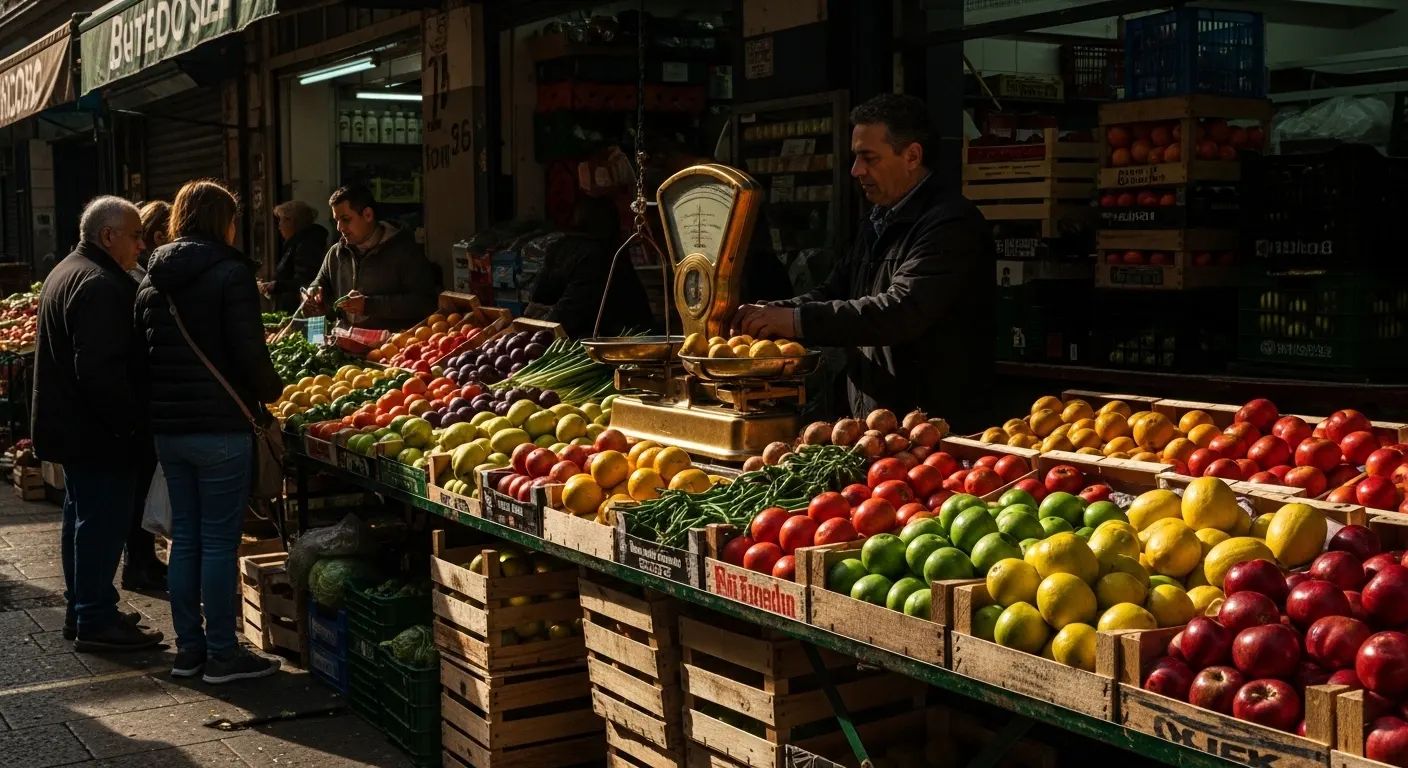
Argentine beef is world-class and costs a fraction of UK prices. Fruit and vegetables at ferias are 40-50% cheaper than supermarkets, which are already cheaper than Tesco.
Transport
| Journey | London | Buenos Aires | Saving |
|---|---|---|---|
| Monthly travel card | £150-250 | £10-20 | 90-95% |
| Single bus/tube ride | £1.75-2.80 | £0.20-0.30 | 85-90% |
| Taxi 5km | £12-20 | £3-5 | 75% |
| Uber 10km | £15-25 | £5-10 | 65% |
Buenos Aires public transport is almost free by London standards. Even taxis and Cabify are a fraction of UK prices.
Healthcare
| Service | UK private | Buenos Aires private | Saving |
|---|---|---|---|
| Health insurance (family/month) | £400-800 | £80-200 | 75-80% |
| GP visit | £60-100 | £15-30 | 70% |
| Specialist visit | £150-300 | £30-60 | 75% |
| Dental check-up | £60-120 | £10-25 | 80% |
Argentine private healthcare (prepaga) gives you access to hospitals comparable to UK private facilities at a fraction of the cost. NHS is free but increasingly difficult to access. Argentine private is cheap and available.
Education
| School type | UK | Buenos Aires | Saving |
|---|---|---|---|
| British private school (annual) | £15,000-30,000 | £5,000-16,000 | 45-65% |
| Nursery (monthly) | £1,200-2,500 | £150-400 | 80-85% |
| University (annual) | £9,250+ | Free (public) | 100% |
Argentine public universities are free and internationally ranked. British-curriculum schools in BA are expensive by Argentine standards but roughly half UK private school fees.
Monthly budget: family of four
| Category | London | Buenos Aires |
|---|---|---|
| Rent (3-bed) | £3,500 | £1,200 |
| Groceries | £600 | £250 |
| Transport | £200 | £30 |
| Healthcare | £400 | £100 |
| School (2 children) | £2,000 | £800 |
| Dining out (2x/week) | £400 | £150 |
| Utilities | £250 | £50 |
| Entertainment | £200 | £80 |
| Total | £7,550 | £2,660 |
The Buenos Aires total is 35% of London costs for comparable quality of life. Even accounting for international flights home twice a year (£2,000-4,000), the savings are dramatic.
What is MORE expensive in Argentina
Not everything is cheaper:
- Electronics: phones, laptops, TVs are 40-60% more expensive than the UK due to import duties
- International flights: Buenos Aires-London runs £600-1,200 return (comparable to budget but no ultra-cheap options)
- Imported goods: anything not made in Argentina costs more. Particular items (olive oil, foreign cheese, imported beer) carry premiums.
- Cars: new cars cost 50-100% more than UK prices due to import taxes
- Clothing brands: international fashion brands are more expensive. Local Argentine brands are cheaper.
The income question
The cost comparison only works if your income stays constant. Most British expats maintain UK income:
- Remote workers earning GBP while spending ARS benefit most
- UK pensioners have fixed GBP income that stretches much further
- Entrepreneurs with international clients profit from cost arbitrage
- Local Argentine salaries are low by UK standards, which reduces the benefit
The golden equation: earn in pounds, spend in pesos.
Worth reading next
Frequently Asked Questions
How much cheaper is Buenos Aires than London?
50-60% cheaper overall. Rent saves 65-75%. Groceries 55-60%. Transport 90%. Healthcare 75-80%. A family of four spends about £2,660/month vs £7,550 in London.
What is more expensive in Argentina than the UK?
Electronics (40-60% more expensive), cars (50-100% more), international flights, imported goods, and clothing brands. Everything locally produced is cheaper.
Is the cost saving real if I earn locally?
Less dramatic. Argentine salaries are low by UK standards. The biggest savings are for people earning GBP/USD remotely or from pensions, not for those on local salaries.
How much should a family budget for Buenos Aires?
£2,500-3,500/month for a family of four including rent, schools, healthcare, groceries, and entertainment. Equivalent London budget: £6,000-8,000.
Sources & Links
Further reading: legal & visa
For visa, residency, and paperwork questions, Lucero Legal offers practical guidance for UK citizens moving to Argentina.
You Might Also Like
What It Really Costs to Live in Buenos Aires
Most Brits arrive thinking Argentina is half the cost of London. The honest answer is closer to a third — for housing and food. For everything imported, it is the same or worse.
Retiring to Argentina from the UK: The Complete Picture
Retiring to Argentina is genuinely possible on a modest UK pension. But the frozen pension, healthcare transition, and visa requirements need proper planning.

Banking and Transferring Money as a British Expat in Buenos Aires
Forget what you know about banking. Argentina runs on three exchange rates, two banking systems, and a daily decision about where to store value.